World Health Day 2018: Universal Health Care for all
6 Apr 2018This week India
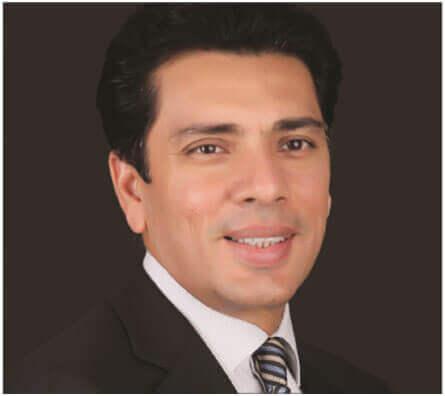
Universal Health Care has become a fundamental principle guiding much of Public Policy and Healthcare Services in countries around the world. The basic premise of this construct is to alleviate the financial costs associated with healthcare while increasing individual access to these services. The World Health Organisation has designated the theme for 2018’s World Health Day to be ‘Everyone, Everywhere’, an indication that nations around the world are aspiring to provide higher accessibility of healthcare to their citizens. Time is therefore right for stakeholders in the public and private healthcare delivery systems and the medical education ecosystem to collaborate and drive the agenda of universal healthcare coverage for India.
Vishal Bali
TheGovernment seems to have given the principle a tacitapproval, as demonstrated by the impetus placed on Public Healthcare in the2018 Budget. Upon implementation, India is set to have the world’s largestpublic health care programme that would cater to half a billion ofits citizens. Modicare has lofty goals to fulfill as it aims toensure that nearly 10 crore vulnerable families would be entitled to coverageof up to Rs 5 Lakhs a year. India is amongst the group ofcountries with the lowest proportions allocated to healthcare globally. Thispolicy would help ensure a minimum standard of coverage offered to citizens,improving accessibility and health outcomes for the masses. Apart from this,there are indications of a New Pharmaceutical Policy that is likelyto be introduced that would run in tandem to help ensurethe effective implementation of the Modicare plan.
While achange in public policy and discourse is one end of the spectrum that governsUniversal Healthcare, it’s effective implementation is governedby stakeholders in the Healthcare Industry. For a country where publichealthcare spending has traditionally been less than 1% of its GDP, privatehealthcare delivery has taken monumental strides to improveaccessibility and delivery of healthcare services in the country. The start upecosystem in healthcare which has contributed to the rise in use of digitaltechnologies in various facets of healthcare has also played an importantrole in the market. Right from the use of health applications by consumers,data mining and analytics for personalized service offerings, digitization ofhealth information and records, or even leveraging Artificial Intelligence (AI)for a varied array of functions specific to the industry, the trends inhealthcare seem to move towards improving access, delivery and personalisation.The diagnostics industry is similarly transforming disease detection withinnovative technologies. Another important trend seen is a rise in theadoption of Home Health Services, where access to quality healthcare is notlimited to institutions like hospitals; instead, it can bedelivered to the patients’ doorstep. This would make it easy forindividuals to access Clinical and Non- Clinical Care despite time, distance,monetary and other restrictions.
All thesechanges happening in the industry will collectively contribute to the idea ofUniversal healthcare in India. When these trends areanalyzed cohesively, they leave us with the impression that the consumerwith various new technologies at their disposal will define the movement ofUniversal Healthcare. This is a promising sign for the future and hopefullywill lead towards a healthier country.
Care Beyond Treatment
You're never managing this alone
Tell us about your patient - we'll guide you.
Or call us directly · 07965091412